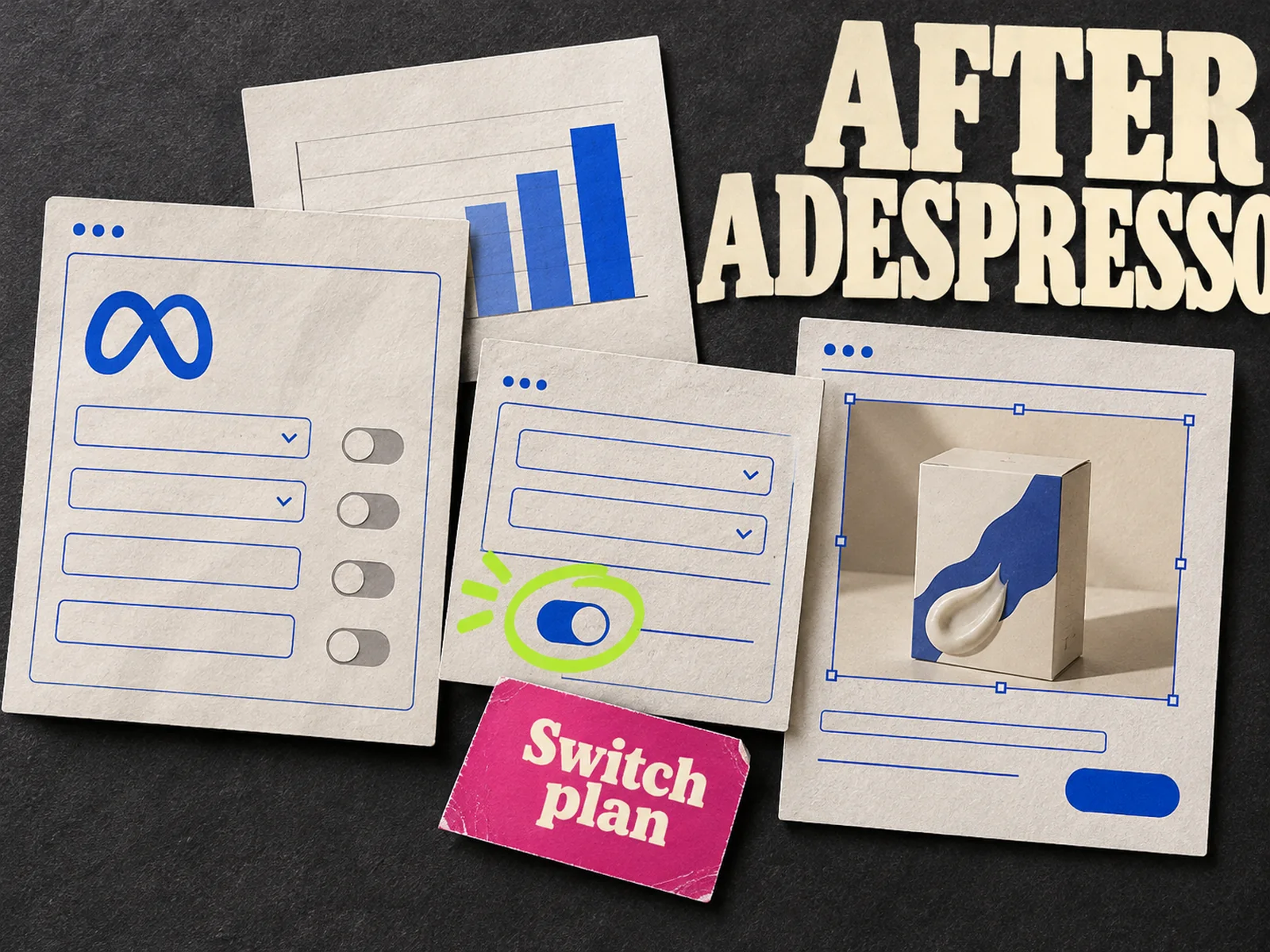
AdEspresso and AdRoll can both touch a Facebook or Instagram campaign, but they solve different problems. AdEspresso is a closer fit when you need to build and compare Meta ad variations. AdRoll starts with retargeting and campaigns across the open web, with social ads available through an add-on. If you are considering both, find the missing step in your current process before adding two bills.
This comparison uses the vendors' current product and help pages. We make Adrio, so we have kept its role separate and linked to the source for each vendor-specific claim. We have not run the same campaign through both tools or measured their results.
AdEspresso vs AdRoll at a glance
| Decision | AdEspresso | AdRoll |
|---|---|---|
| Main job | Build, test, and manage Facebook and Instagram ads | Run retargeting and other campaigns across the open web, with social campaigns available by plan or add-on |
| Where to start | A Meta campaign whose creative or audience variations you want to compare | A site audience you want to reach again across channels |
| Creative testing | Split-test analysis and campaign tools are central to its offer | Check the reporting and comparison workflow in your plan; the platform's central pitch is cross-channel advertising |
| Reporting question | Which Meta ad variation should we keep? | How are campaigns and channels contributing to the journey? |
| Pricing model | Subscription tiers with plan and spend limits | Pay-as-you-go media; check add-ons and managed-service terms separately |
These are product positions, not a claim that either tool is incapable of the other job. AdEspresso's pricing page describes its split-test analysis, performance triggers, and reporting. AdRoll's pricing page describes open-web ad formats, retargeting, social campaigns, and attribution add-ons. Check the exact package before you promise a workflow to a client.
Choose AdEspresso for a Meta testing routine
AdEspresso is built around Facebook and Instagram campaign work. Its listed features include campaign imports, split-test analysis, tag-based reporting, scheduled reports, and automatic optimization. The Plus tier adds cross-campaign performance triggers, bulk creation across Facebook and Instagram pages, campaign approval, and more collaboration controls. Those details matter if you need a repeatable test process across several client accounts.
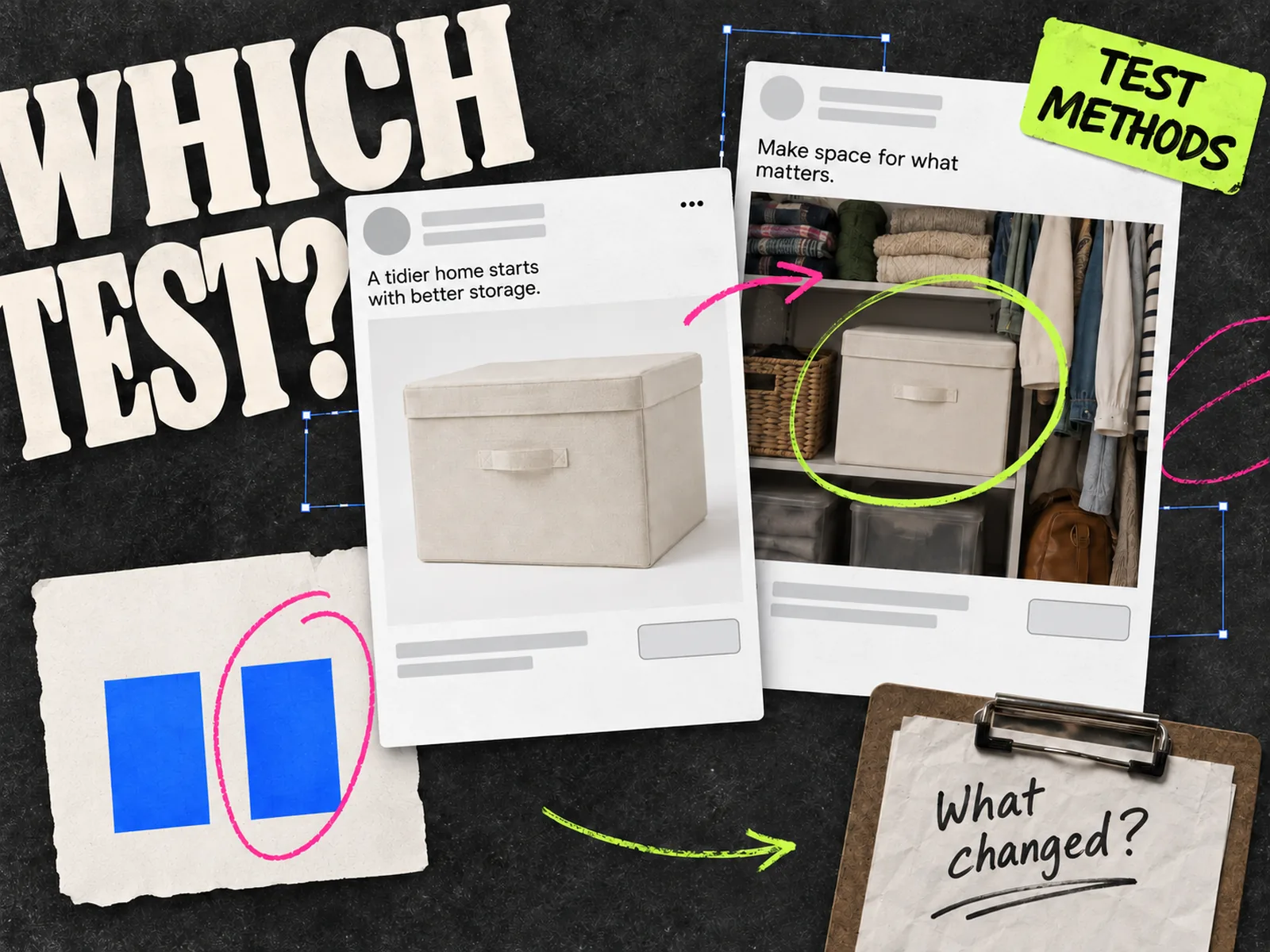
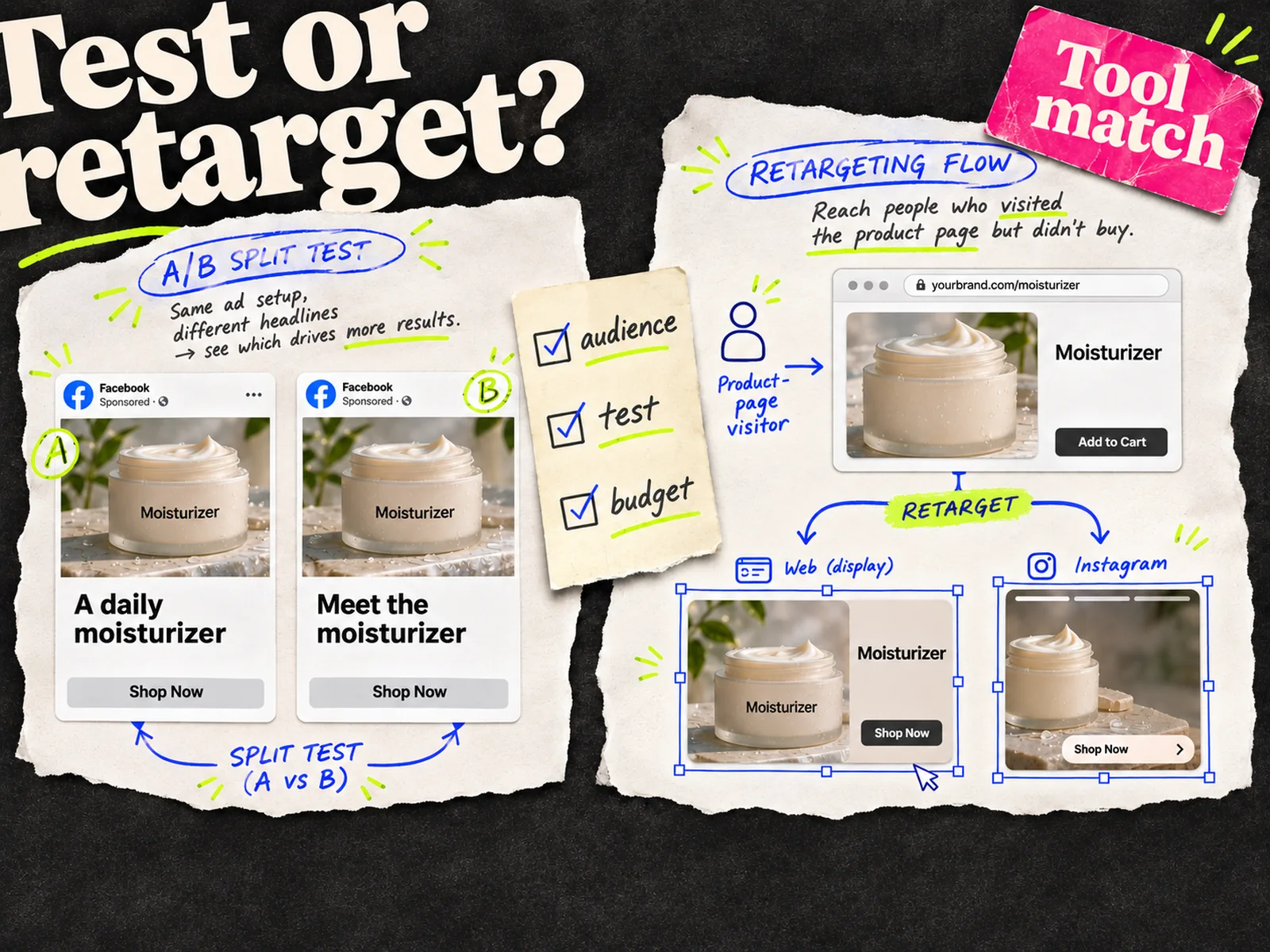
Imagine a skincare brand testing two different claims for the same moisturizer. Keep the audience, destination, budget, and format as steady as the setup allows. Name the two ads so the report can connect each result to its claim. AdEspresso can help manage and compare the versions, but the team still needs to decide what a useful difference would look like before launch. Our ad testing methods guide explains when a controlled A/B test is a better fit than a broad creative exploration.
AdEspresso's plan page currently lists Starter at $49 per month with a $1,000 monthly ad-spend limit, Plus at $99 per month with unlimited managed ad spend, and Enterprise starting at $259 per month. The page offers a 14-day trial. Verify the quote and billing terms when you subscribe; the limits can matter more than the headline price.
One useful exit check: AdEspresso says campaigns created through it remain active and visible in Facebook Ads Manager after the subscription expires. That does not preserve every internal note or report. Save the test question, version names, and result before moving the process elsewhere.
Choose AdRoll for retargeting across channels
AdRoll's starting point is the audience and where you want to reach it. Its pricing page lists website segments, contact lists, ecommerce segments, and retargeting campaigns alongside display, native, video, and other open-web formats. Its retargeting page also describes social reach on Facebook, Instagram, TikTok, and Pinterest. That is a different brief from "compare two Meta headlines."
Suppose the skincare brand already gets qualified visits to a product page but many shoppers leave before buying. Should the brand re-engage them on the open web as well as social placements? AdRoll is worth trialing for that job. Define the audience, exclusion rules, budget, and what counts as a return before building the ads. Otherwise, the same offer may follow people who already bought.
Social access needs a closer read than the phrase "cross-channel" suggests. AdRoll's campaign setup guide says Facebook, Instagram, TikTok, and Pinterest accounts are linked through the Social Ads add-on. Its pricing table also marks social features by package. Ask whether your account includes the add-on and whether the social campaign you need is supported before you treat AdRoll as your Meta campaign workspace.
AdRoll lists a self-service Ads package as pay-as-you-go advertising, with cross-channel attribution and social ads available as add-ons. It also lists managed-service packages. The pricing page says media pricing is dynamic by CPM and that there is no minimum spend for an Ads package campaign. Put media spend, add-ons, and any service commitment on separate lines when comparing the quote with AdEspresso's subscription.
Compare them with one campaign brief
Pick a real campaign you expect to run next month. Write down the audience, offer, destination, approved assets, budget, and the decision the campaign should inform. Then use that same brief for both trials.
- 1.In AdEspresso, build the Meta test you actually need. Count the work to create versions, set controls, get approval, and read the result.
- 2.In AdRoll, build the retargeting audience and map the placements you would buy. Confirm the social add-on if Facebook or Instagram is part of the plan.
- 3.Ask each tool for the report the buyer would use on Monday. Can the buyer identify what ran, where it ran, what it cost, and what to do next?
- 4.Record the hours spent preparing creative and fixing rejected ads. Neither a split-test dashboard nor a retargeting audience solves an empty creative queue.
Do not declare a winner by comparing the reported CPA from an AdEspresso Meta test with an AdRoll open-web campaign. The audiences and placements would differ. If you need a wider set of Meta testing options, the creative testing tools comparison covers the available jobs. The AdEspresso alternatives guide is useful when you have already decided to replace that subscription.
Where Adrio fits
We make Adrio for teams whose slow step is turning a product and research into the next Meta creative. Spark can make static and video ads, prepare a Meta launch for approval, and use connected performance to suggest another test. That is a different purchase from AdRoll's cross-channel retargeting or AdEspresso's specialist campaign workflow.
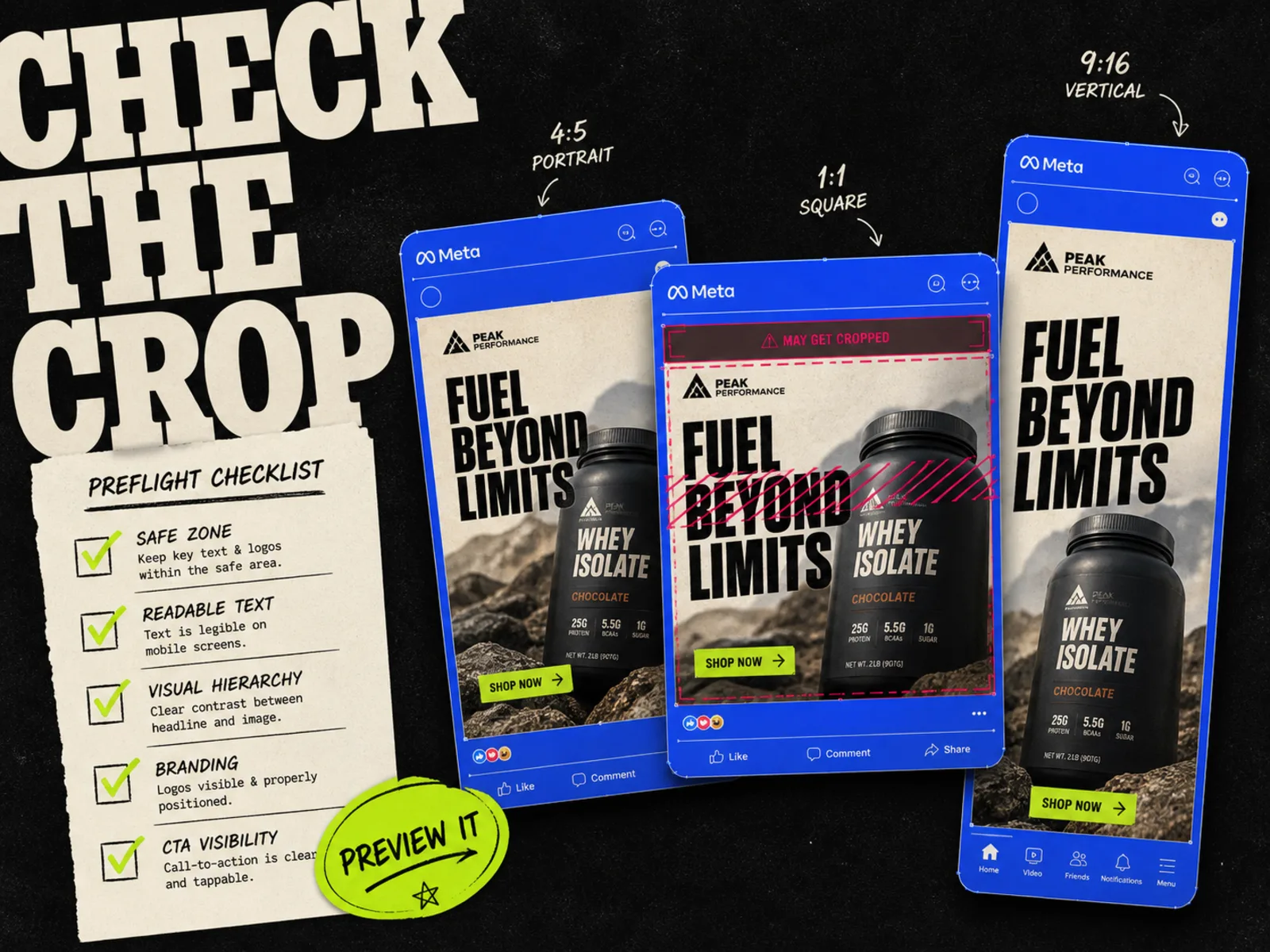
If creative supply is the constraint, trial it with the same product brief used above. Review the product facts, claims, and placement crops before counting an asset as finished. The creative brief template gives all three workflows a common starting point, and the Meta ad preview checklist helps catch errors before launch.
Which one should you choose?
Choose AdEspresso when the recurring task is setting up and comparing Facebook and Instagram ad variations, especially if your team needs its reporting and approval features. Choose AdRoll when the recurring task is reaching a defined audience across the open web and social channels, and verify the social add-on before making it part of your plan.
If the brief is simply "make better ads," neither product name answers it. Write down which step is late: the test setup, the audience, or the approved creative. Buy for that step, then check the result in the account where the ads actually ran.