A travel ad can look beautiful and still leave the buyer with basic questions. Which dates? From which airport? Is that price per person? Does the room in the photo match the room in the offer?
Those details belong in the brief, not in a message sent after the first design review. A good travel ad creative brief gives the team a clear promise, the facts needed to support it, and enough production detail to build every placement without guessing.
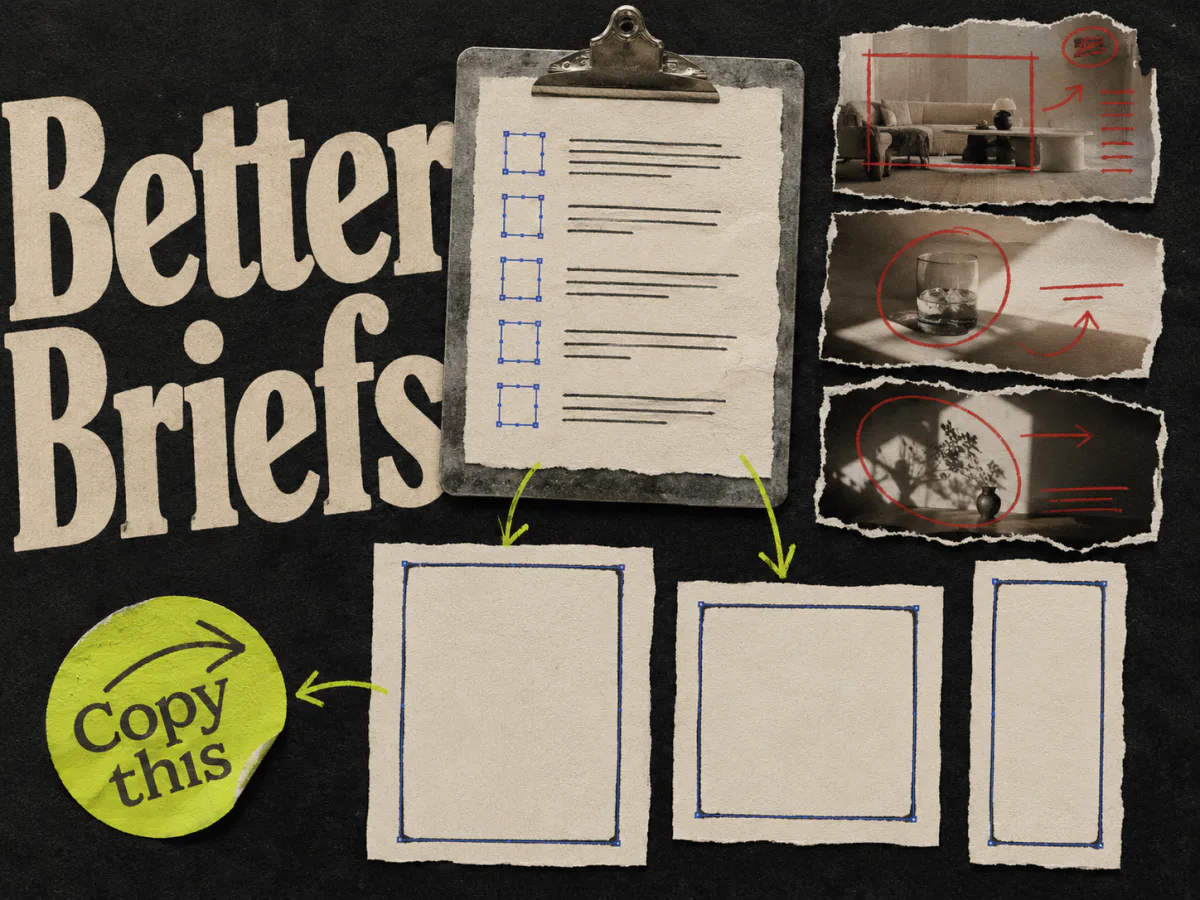
The template below is for paid social, especially Meta static ads. Copy it, delete anything that does not apply, and fill the factual fields before creative work begins.
Copy this travel ad creative brief template
Campaign
- Brand and product:
- Destination or property:
- Package, route, room, or service being sold:
- Campaign objective:
- Conversion event:
- Departure market:
- Audience and travel situation:
- Booking window:
- Travel or stay dates:
- Landing page:
- Campaign owner:
- Approval deadline:
Offer facts
- Headline price:
- Currency:
- What the price includes:
- What it excludes:
- "From" price conditions:
- Availability or inventory note:
- Deposit and payment terms:
- Cancellation or change terms:
- Required disclaimer:
- Source and date checked:
- Person responsible for the final fact check:
Message
- Customer problem or desire:
- Main angle:
- Hook:
- Supporting proof:
- Destination or property detail:
- Offer:
- CTA:
- Approved claims:
- Claims or wording to avoid:
Visual direction
- Main scene:
- Product, room, route, or experience to show:
- Reference ads and what to borrow from each:
- Approved image and video sources:
- Asset usage rights confirmed by:
- Brand requirements:
- Required logo, CTA, or disclaimer treatment:
- Text that must stay inside the safe area:
- What must not appear:
Test and deliverables
- Hypothesis:
- Variable being tested:
- What stays the same:
- Number of variants:
- Primary decision metric:
- Review date:
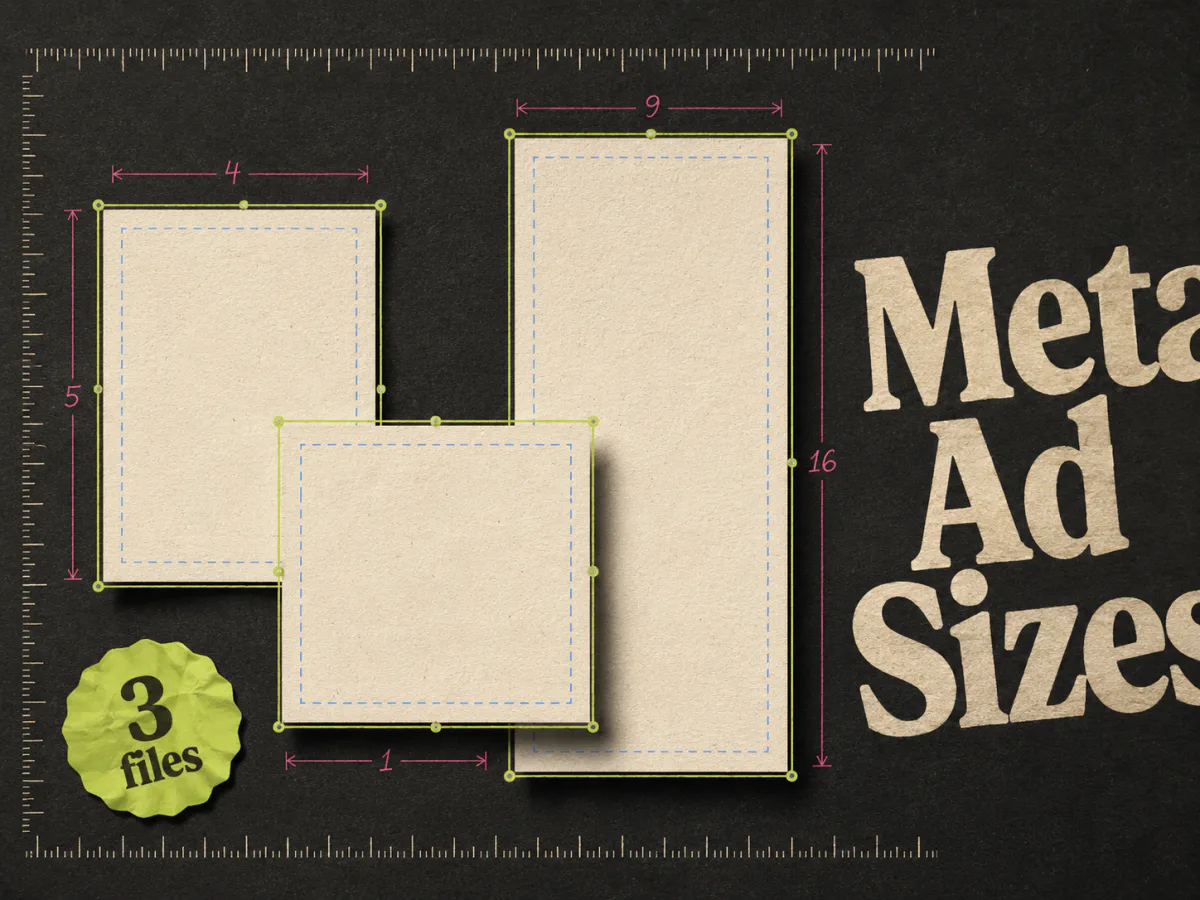
- 4:5 Feed:
- 1:1 square:
- 9:16 Stories and Reels:
- File type and editable source:
- Naming convention:
If this feels longer than your usual brief, look at the offer section. Travel ads carry more changing facts than a typical product ad. Recording the source, date, and owner can stop a stale price or sold-out date from reaching production.
For a category-neutral version, use the ad creative brief template. Keep that page as the home for the general process. Use this one when the ad sells a destination, stay, route, or trip.
What makes a travel brief different
Travel creative has to sell an experience that happens later and often somewhere else. The customer cannot inspect the room, tour, or route before booking. That puts more weight on concrete proof.
"A perfect Mediterranean escape" gives the designer almost nothing. "Seven nights in a sea-view studio, 400 metres from the beach, with airport transfer included" gives the team an offer it can show and a buyer can check.
Four parts of the brief deserve extra care.
Name the exact thing being sold
Do not brief "summer in Greece" when the landing page sells one Crete package from two departure airports. Name the island, property or itinerary, eligible dates, departure market, room type, and included services.
This also keeps the image honest. A general destination photo may set the mood, but it should not imply that a landmark, room, meal, or activity is included when it is not.
Separate the promise from the conditions
The promise is what makes someone stop: a direct beach location, a short city break, a small-group route, or help planning a complex trip.
The conditions make that promise usable. Record whether the advertised price is per person or per room, which dates qualify, what taxes or fees are excluded, and when the price was checked. The creative should not carry every operational detail. The brief still needs those details so the team can decide what belongs on the ad and what belongs beside the booking form.
Give every reference a job
A folder of tropical photos is not a visual direction. Attach one note to each reference:
- Borrow the way the route is drawn across the map.
- Use the room-and-view pairing to make the accommodation specific.
- Keep the compact price card, but not the competitor's colors or wording.
The note tells the designer which structure matters. It also makes it easier to reject a reference that looks good but does not support the offer.
Plan for each placement before approval
A 4:5 Feed ad can hold a destination, price, and one proof point. A 9:16 Stories version needs more breathing room around interface elements. A square crop may force the destination and offer into a tighter hierarchy.
List the required ratios in the brief and decide what can disappear in smaller compositions. Our Meta ad sizes guide covers the current dimensions and safe-area checks.
Filled example 1: small-group tour operator
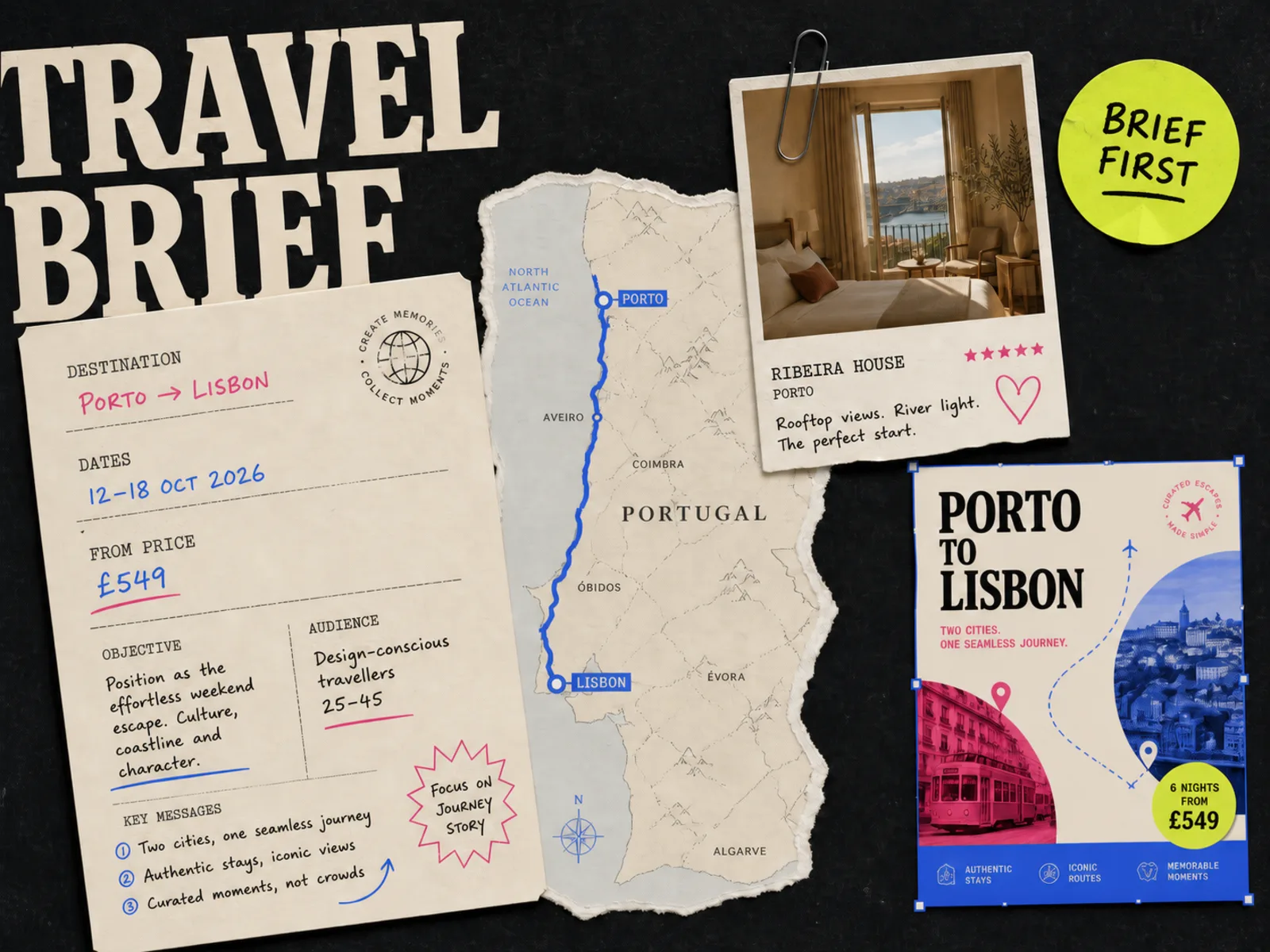
This fictional example is for a tour operator selling an eight-day Portugal itinerary.
Campaign and offer
- Product: eight-day small-group Portugal tour
- Route: Porto, Douro Valley, Coimbra, and Lisbon
- Objective: qualified booking enquiry
- Audience: couples and solo travellers comparing guided Portugal trips
- Booking window: autumn departures
- Angle: see four regions without planning each transfer yourself
- Hook: "Portugal, without the spreadsheet"
- Proof: named route, maximum group size supplied by the operator, and included rail transfers
- CTA: view dates
The route is the product, so the creative should show it. A paper map with four stops is more useful than another anonymous sunset over a tiled roof.
The variable for the first test could be the opening argument:
- 1.Planning relief: "Portugal, without the spreadsheet"
- 2.Route density: "Four stops. Eight days. One booking."
- 3.Group format: "A small group, not a coach convoy"
Keep the itinerary, offer, CTA, map, and landing page the same. Now the test can answer which reason to travel earns attention rather than which completely different ad happened to win.
Filled example 2: independent hotel
This fictional hotel wants weekday bookings for a two-night autumn stay.
Campaign and offer
- Product: two-night weekday stay
- Property: independent coastal hotel
- Objective: completed direct booking
- Audience: nearby couples looking for a short break
- Angle: a quiet sea-view reset that does not consume the weekend
- Hook: "The coast is quieter on Tuesday"
- Proof: actual sea-view room, breakfast inclusion, and walk time to the beach supplied by the property
- Offer: weekday package with a dated availability window
- CTA: check available dates
The main image should be the room included in the package, not the hotel's most expensive suite. If the view changes by room category, state which category appears in the photo.
For this test, hold the room image and offer card steady. Change only the supporting proof: breakfast, beach access, or late checkout. The hotel can then see which part of the stay deserves more space in the next batch.
Filled example 3: specialist travel advisor
This fictional advisor plans multi-city Japan trips for first-time visitors.
Campaign and offer
- Service: custom Japan itinerary planning
- Objective: consultation request
- Audience: first-time visitors overwhelmed by routes, rail bookings, and neighbourhood choices
- Angle: turn a saved-post wishlist into a trip that works geographically
- Hook: "Tokyo, Kyoto, Osaka. In the right order."
- Proof: a sample day-by-day route and the advisor's clearly documented planning process
- Offer: initial planning call
- CTA: plan the route
There is no package price to feature, so the ad should not imitate one. Show the planning product: a route card, a short itinerary, or an annotated map. A collage of temples and ramen bowls may signal Japan, but it does not explain why someone should hire this advisor.
The first test could compare two angles while keeping the same service proof:
- Reduce planning friction
- Avoid a route that wastes travel days
Those are related, but they are not identical. Give each its own ad instead of squeezing both into one headline.
How to turn the brief into a clean test
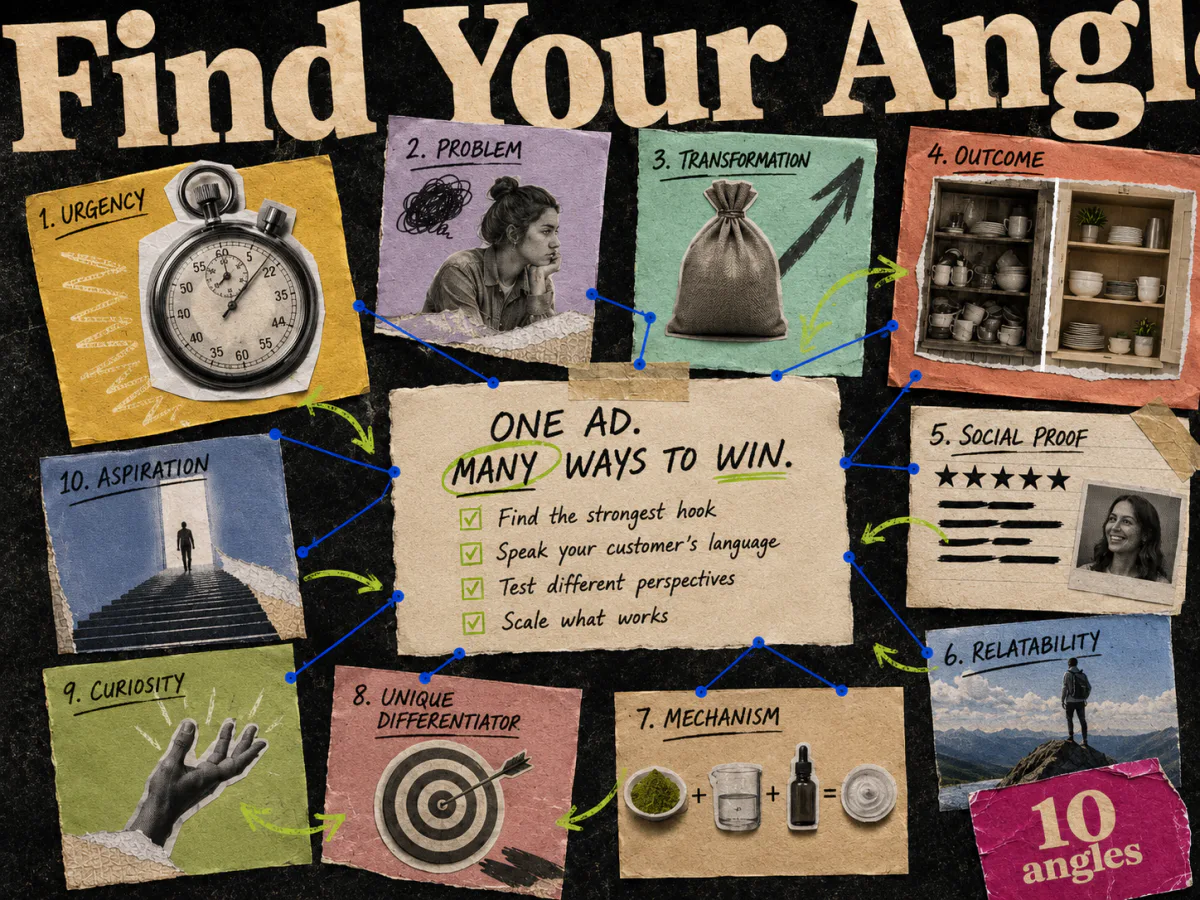
Start with one offer and one customer situation. Then choose an angle. The angle is the argument; the hook is the opening line that carries it. If those terms blur together in your team, the Facebook ad angles guide has practical examples.
Next, choose one variable for the batch. Travel teams often change the destination image, headline, price treatment, itinerary, and CTA at once. The winning ad then teaches very little. A cleaner first batch might use one room photo and one offer with four hooks. Or hold the hook steady and try three proof treatments.
Budget still decides how many variants the campaign can read. Our guide to how many Meta ad creatives to test explains how to keep the batch proportional to spend.
Before export, compare every ad with the landing page:
- 1.Does the destination, property, route, or service match?
- 2.Are the dates and departure market consistent?
- 3.Does the price use the same currency and conditions?
- 4.Is the pictured room, activity, or transport included?
- 5.Can the customer find the advertised offer without starting the search again?
If the answer to the last question is no, the creative may be finished but the campaign is not.
Where Adrio fits
Once the offer facts and angle are approved, Adrio can help turn a reference structure into editable Meta static variants. A travel team can build alternate hooks, proof cards, and layouts, then export 1:1, 4:5, and 9:16 versions.
The brief remains the source of truth. Generation is faster when the destination, offer, image rights, and exclusions are already settled. It is much less useful when the tool has to guess which room the package includes or whether yesterday's price still applies.
For visual structures worth adapting, browse the Facebook static ad examples. Use them as references for hierarchy and proof, not as a shortcut around the facts in your own offer.
FAQ
What should a travel ad creative brief include? A travel brief should include the product or route, departure market, booking and travel dates, price conditions, availability, included services, approved claims, image rights, placements, test variable, and landing page.
How is a travel creative brief different from a general ad brief? It records changing inventory and offer facts in more detail. It also connects each destination or property image to the exact experience being sold.
Should a travel ad show a price? Show a price when it helps the buyer qualify the offer and the team can keep it accurate. Record the currency, inclusions, exclusions, eligible dates, and source in the brief before putting it on the creative.
How many concepts should a travel campaign brief at once? Start with one offer and one customer situation per brief. Build several hooks or proof treatments inside that concept. Split genuinely different reasons to travel into separate briefs.
Can a travel agency reuse one ad across Feed, Stories, and Reels? The idea can stay the same, but each placement needs its own composition. Plan 4:5, 1:1, and 9:16 versions, then check that the destination, offer, and CTA remain readable in every crop.
What is the best image for a travel ad? Use the image that proves the offer: the actual room category, a recognisable stop on the route, the included experience, or a map that makes the itinerary clear. Confirm usage rights and avoid implying that an experience is included when it is not.